About us
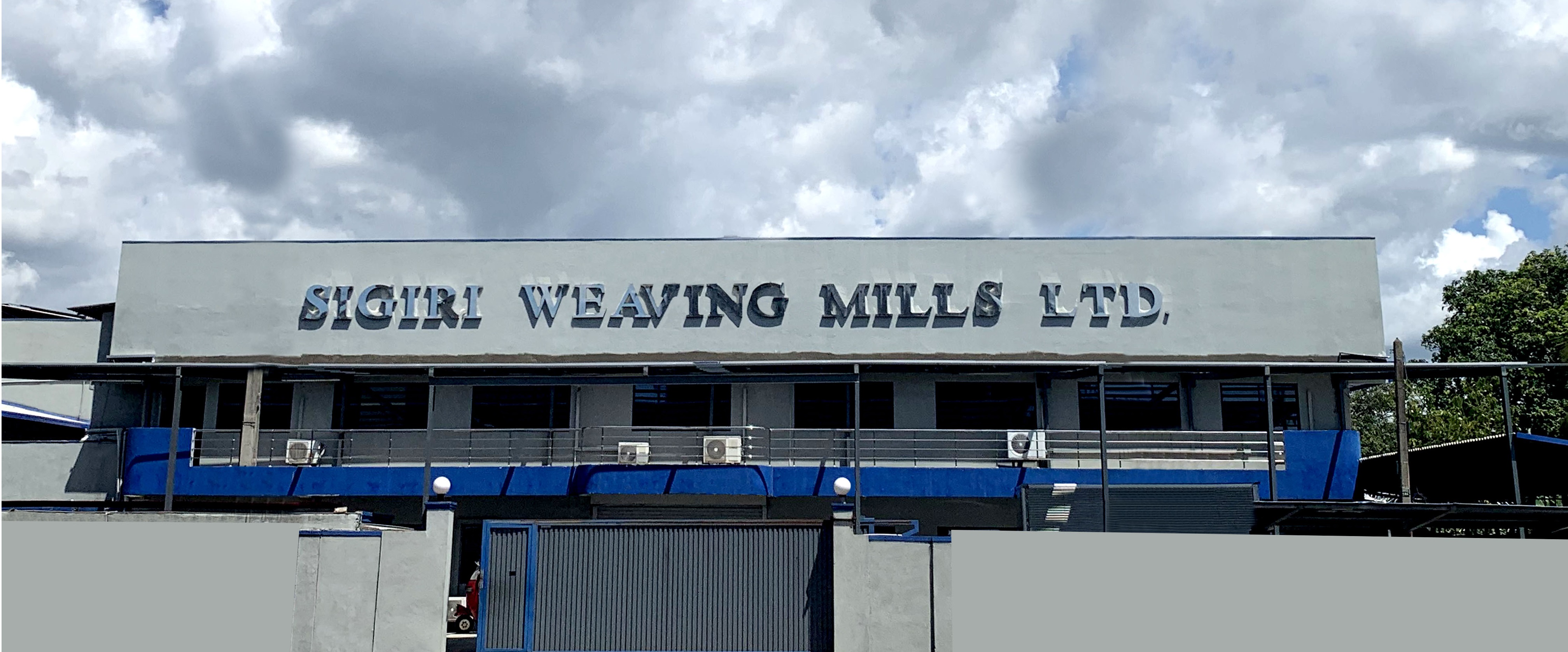
Sigiri Weaving Mills: A Legacy of Growth and Innovation since the 1960s, from yarn trading to knitting, dyeing and garmenting we have evolved into a leading textile manufacturer. Led by a vastly experienced leadership team, our recent expansion includes a state-of-the-art dye plant and brand new jacquard flat knitting machines enhancing our production capabilities.
-
Established in the 1960s with an initial capital of LKR 3000.
-
Started as a trading venture and gradually expanded into indenting and importing activities.
-
Second generation joined in the 1970s, leading to the manufacturing of woven fabrics.
-
Pioneered the adoption of shuttleless looms, becoming industry leaders in woven fabric manufacturing.
-
Made significant investments in modernizing operations, introducing Vamatex shuttleless looms in 1982.
-
Established a knitting plant in 1984 and a textile dyeing and finishing project in 1987 helping us achieve total vertical integration.
-
Third generation joined in the 1990s, leading to substantial growth in knit fabric manufacturing.
-
Split in 2004 led to the formation of Sigiri Weaving Mills (Fabric and Garments) and Sigiri Textiles (Woven and Dyeing).
Family-owned business for 4 generations
Pioneers in shuttleless loom technology
Vertical integration through in-house dye plant
Diversification into knit fabric manufacturing
Creation of subsidiary Stafford Garments in 2000
Spin-off of Stafford Garments as an independent company in 2021
Our Journey
1984
Establishment of a knitting plant to enhance production capabilities.
1982
Introduction of Vamatex shuttleless looms, a groundbreaking innovation in Sri Lanka's textile industry
1970
Second generation joins the business, expanding operations to include manufacturing of woven fabrics.
1960s
Sigiri Weaving Mills established as a trading venture with an initial capital of LKR 3000
1987
Vertical integration achieved with the establishment of an in-house dye plant and expansion into knit fabric manufacturing.
2000
Stafford Garments, a subsidiary, commences operations, specializing in T-shirt manufacturing
2004
Reorganization leads to the formation of two independent entities: Sigiri Weaving Mills (Fabric and Garments) and Sigiri Textiles (Woven and Dyeing).
2021
Commissioning of a state-of-the-art Dyeing and Finishing Plant to enhance manufacturing capabilities and increase competitiveness.
2022
Diversified its operations by venturing into yarn dyeing and acquiring state-of-the-art jacquard flat knitting machines.
2023
Proposed Private Equity Offering (PE)
Four Generations
1st Generation

Abdul Karim Yousuf
Chief Executive Officer2nd Generation

Abdul Gaffar Abdul Karim Abdul
Chief Executive Officer
Razzak Abdul Karim Abdul
Product Manager
Azeez Abdul Karim
CTO3rd Generation
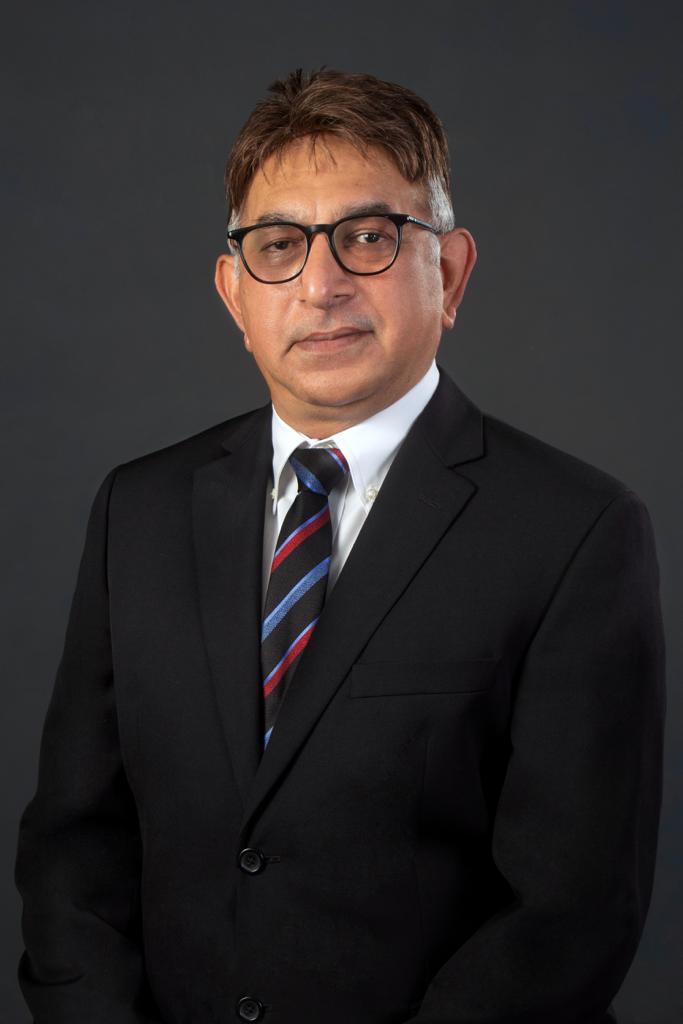
Mohamed Altaf Abdul Gaffar
Managing Director/CEO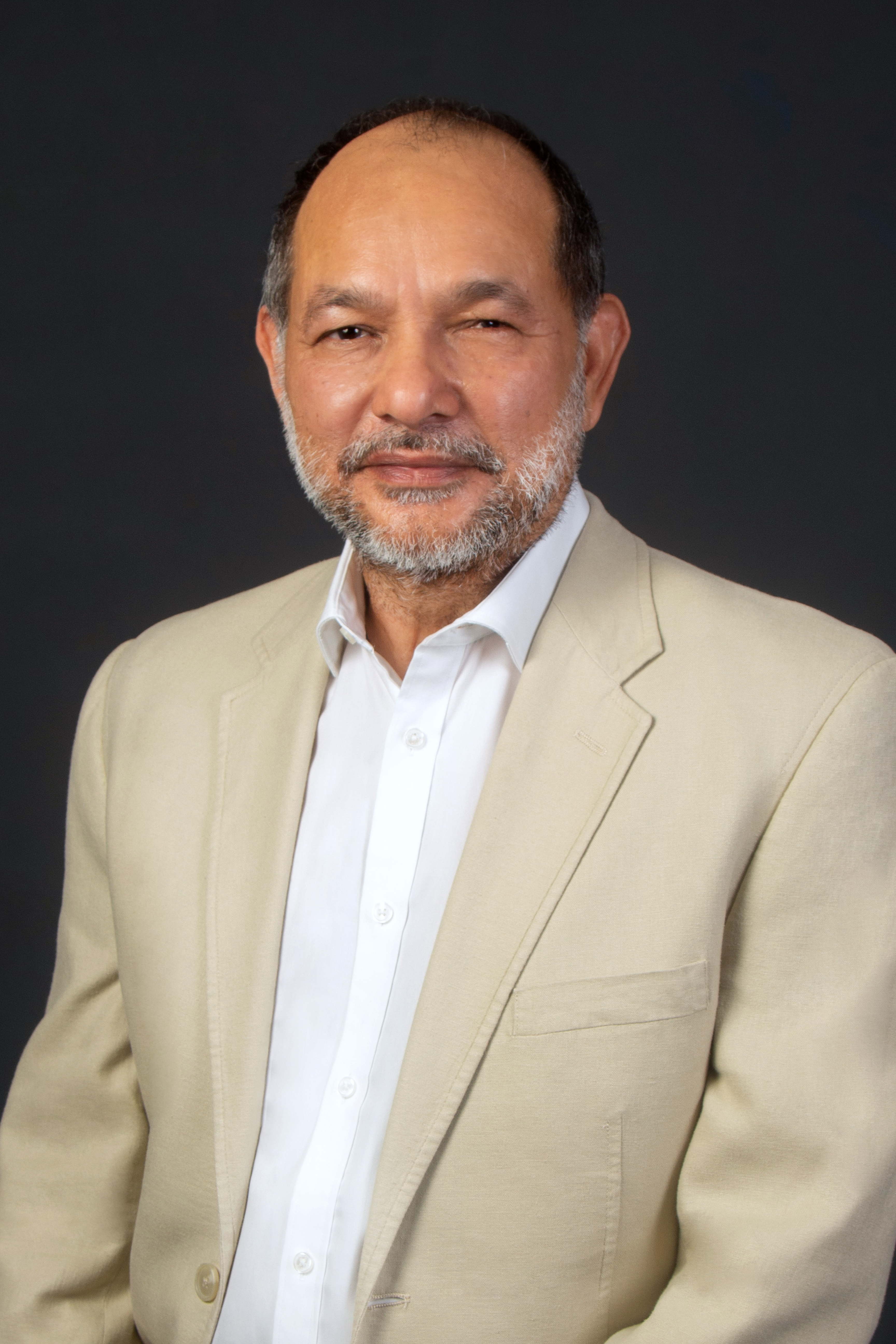
Mohamed Aslam Abdul Gaffar
Product Manager4th Generation

Mohamed Ahsan Mohamed Altaf
Director of OperationsSWM In The Present Day
-
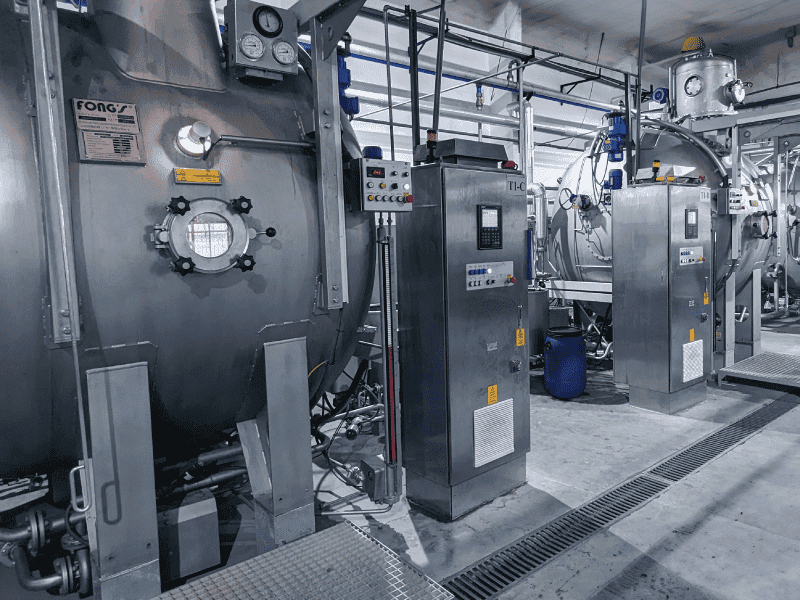
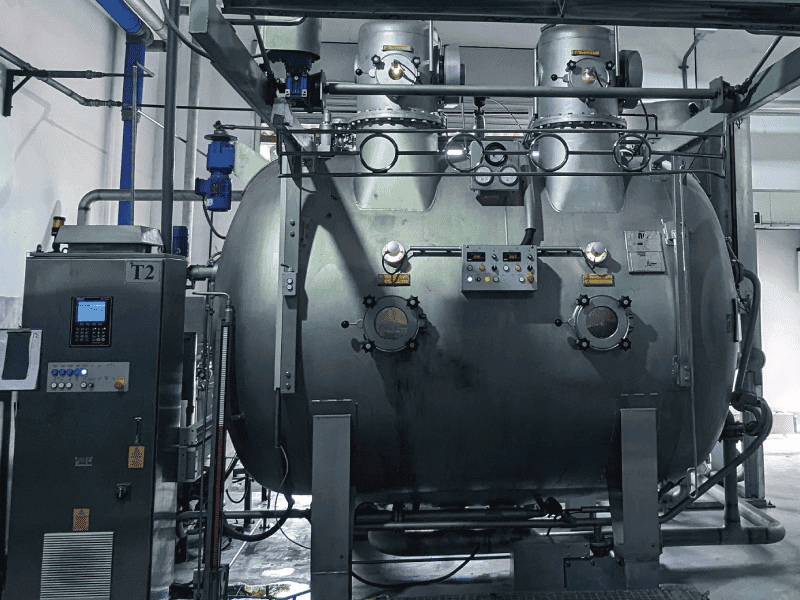
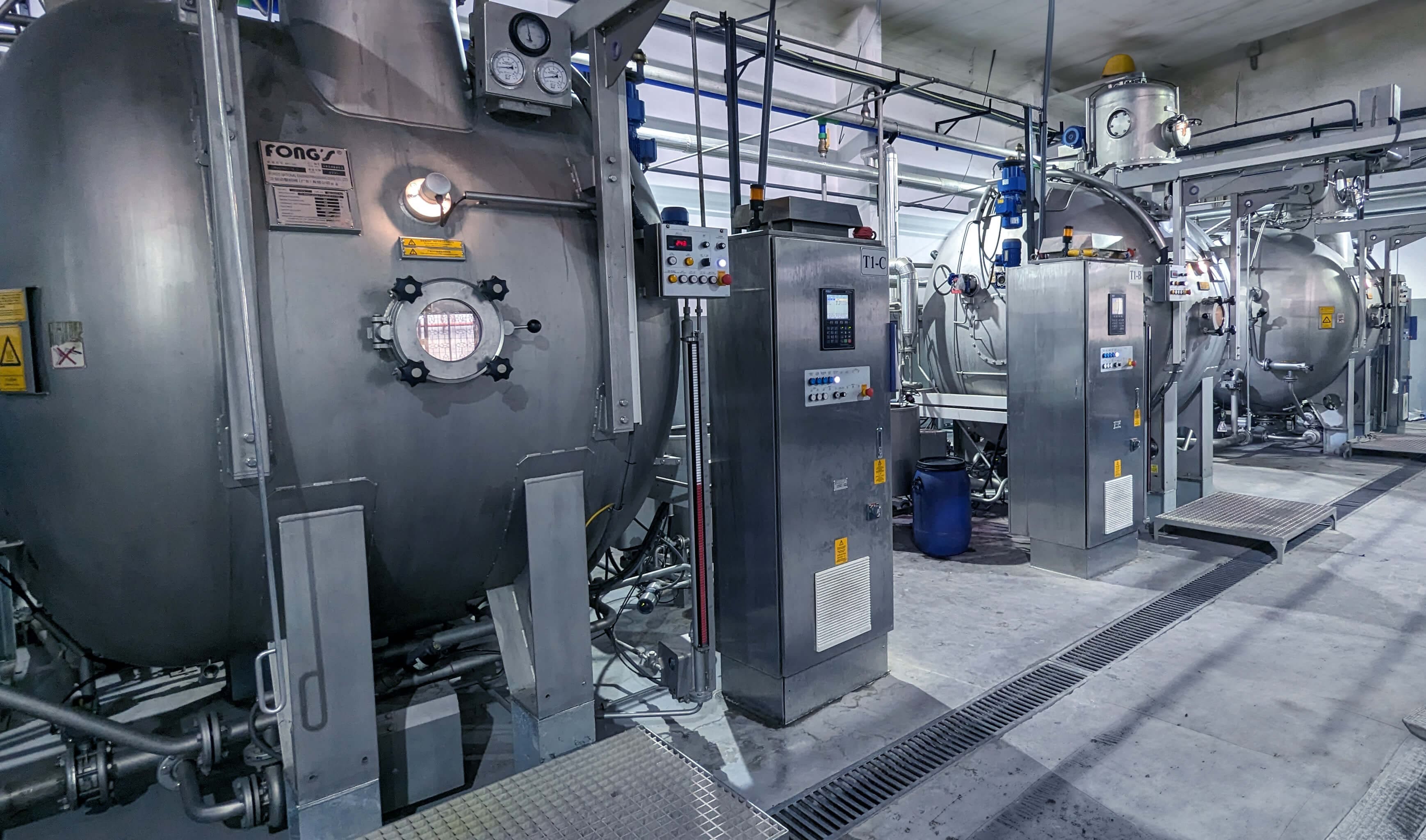
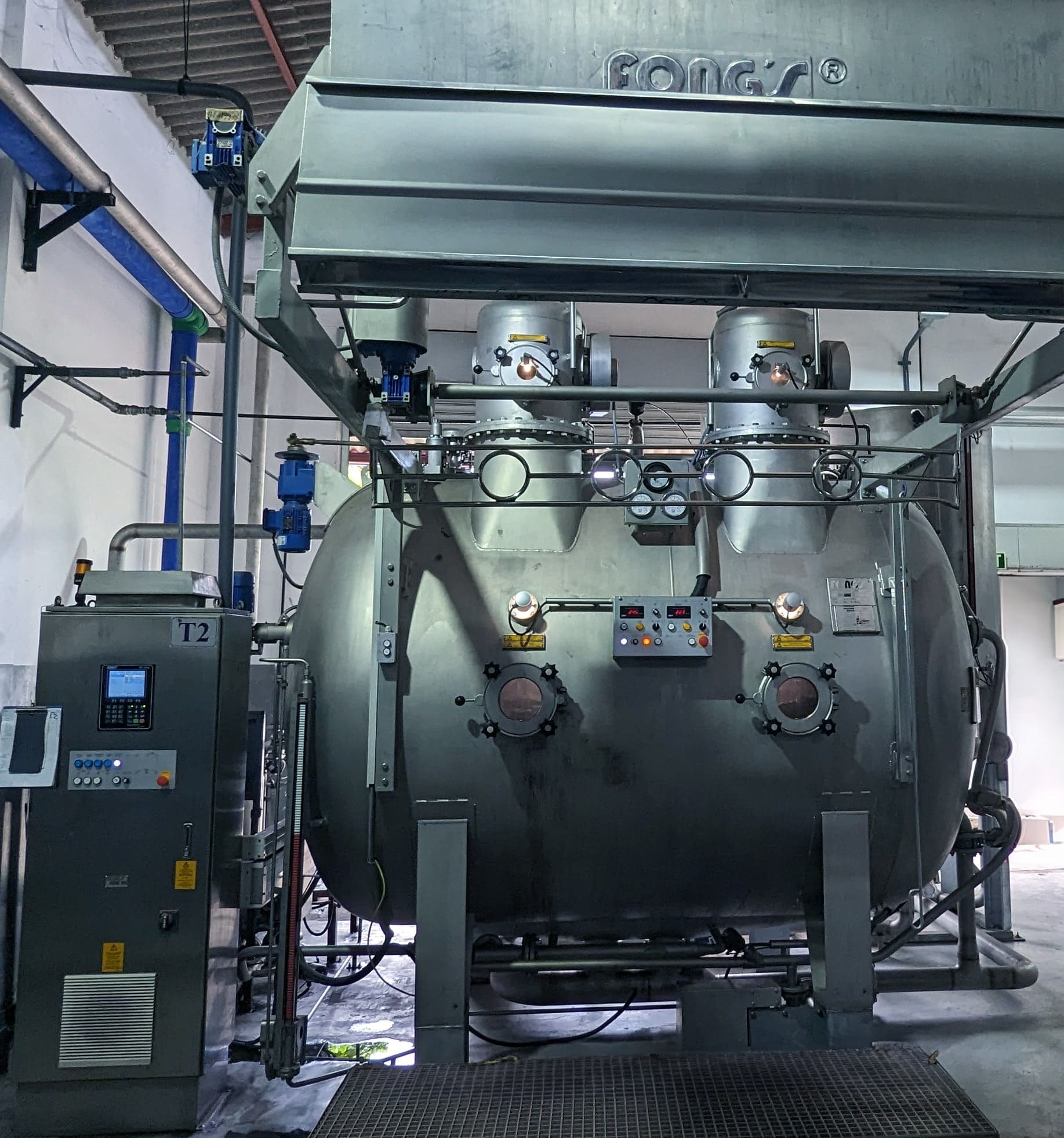
Invested in a state-of-the-art Fabric and Yarn, Dyeing and Finishing Plant to achieve vertical integration and Demonstrated outstanding efficiency rate of 97.5% within three months of the dye plant's operation.
-
Invested in 7 brand new jacquard flat knitting machines.
-
Purchased one open width and one tubular knitting machine in 2023 to add to our machinery portfolio.
-
The dyeing and finishing plant overturned the profits within 4 months of commencing operations.
SWM's Factory
-
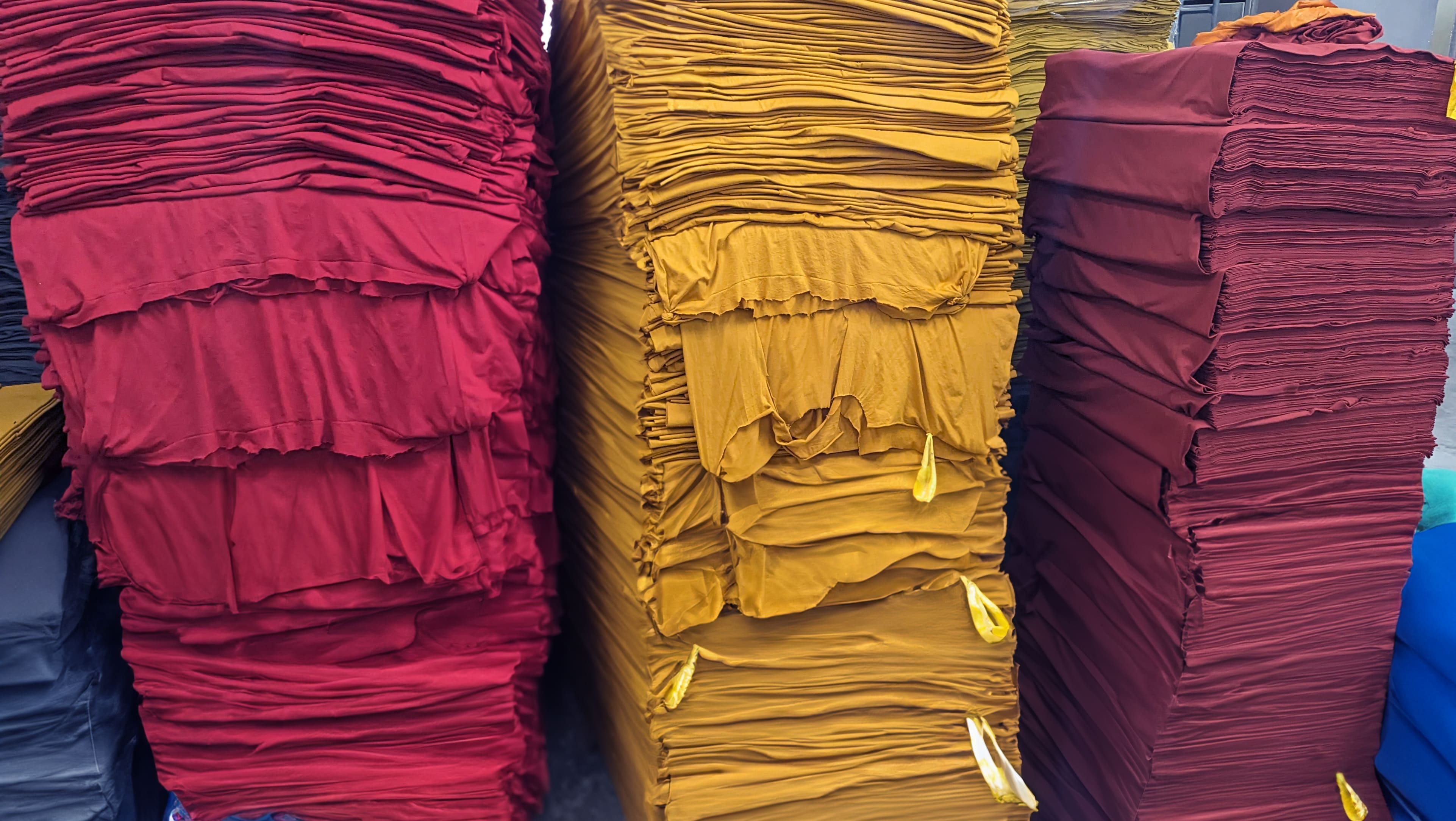
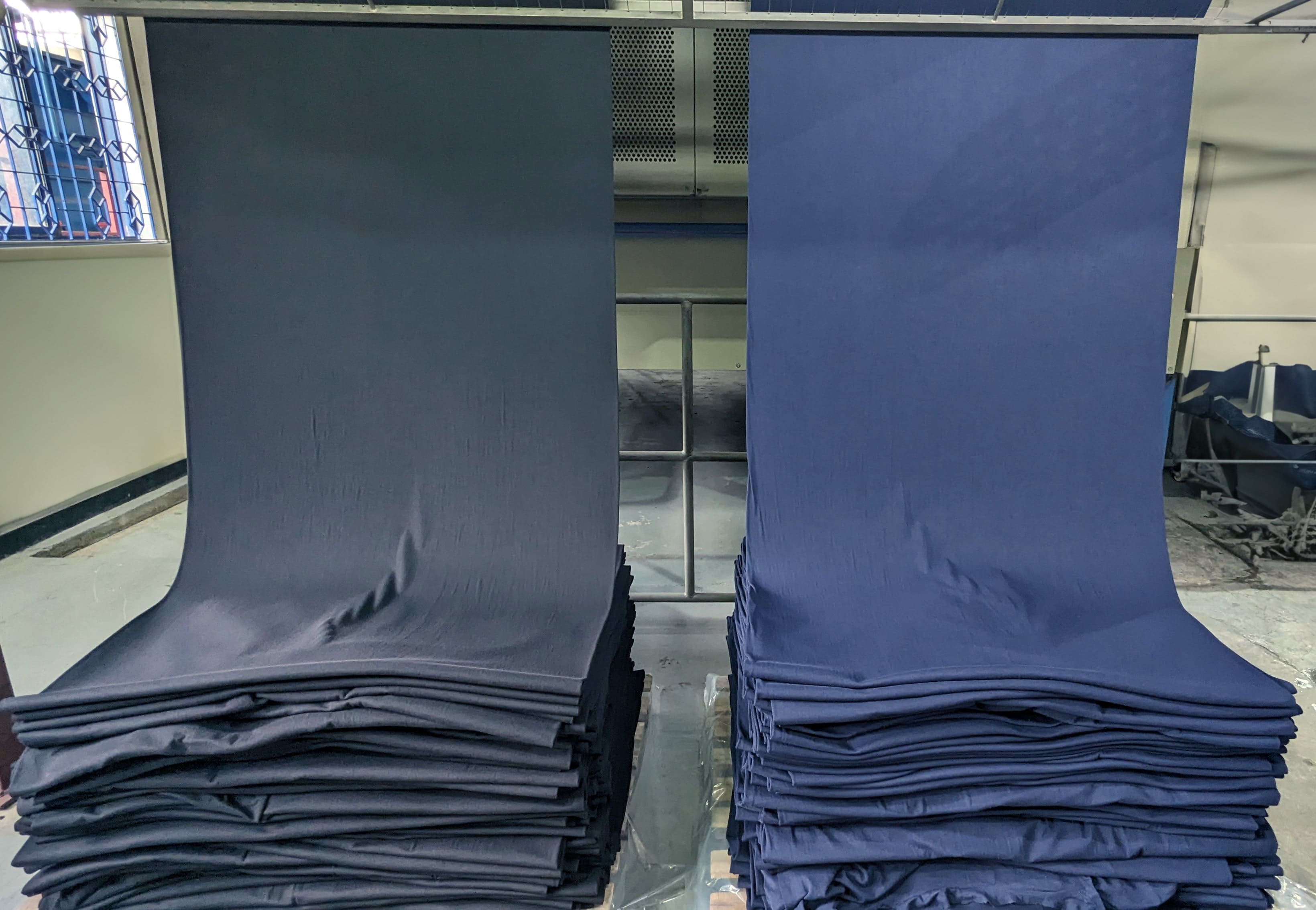
The company owns its manufacturing facilities, including the dye plant, and knitting facilities.
-
The facilities are state-of-the-art and enable complete control over production processes and timely delivery of high-quality fabric.
-
The fabric manufacturing plant has a production capacity exceeding 1 million kilograms per year.
-
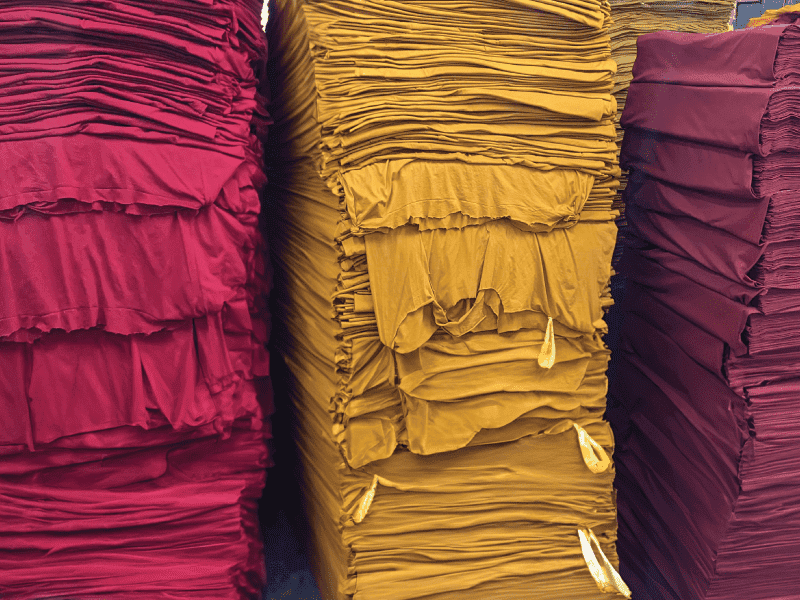
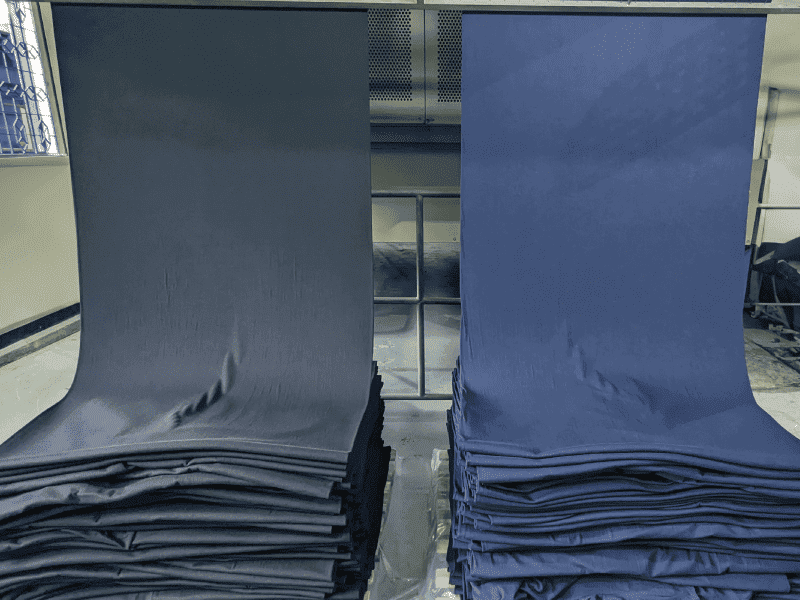
Sigiri Weaving Mills specializes in producing knitted fabrics for casual wear and promotional wear, with a focus on t-shirts.
-
The company utilizes advanced technology and machinery to ensure consistent quality and meet customer requirements.
-
Raw materials are sourced through direct imports from yarn suppliers in countries such as India, Vietnam, and Thailand.
-
The factory utilizes a 4-ton wood fire boiler as an alternative energy source for heat generation in production processes.